


UNICERA 2024: Industrial Spirit on the Facade
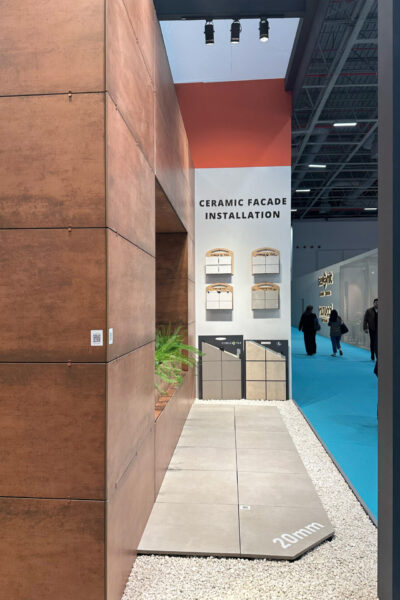
UNICERA 2024, one of the most prestigious gatherings of the ceramic industry, has once again revealed the transforming aesthetic understanding of architectural surfaces. Within the scope of UNICERA 2024, one of the most prominent approaches was the industrial spirit felt in facade designs.
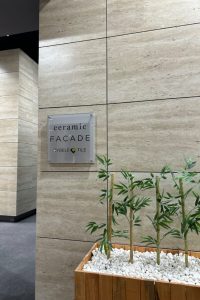
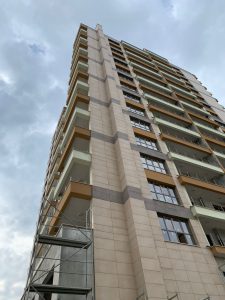
In today’s architecture, facades are becoming one of the main elements that define character, going beyond being just the outer shell of a building. At this point, ceramic surfaces stand out with advantages such as durability, longevity, and aesthetic diversity. Surfaces with stone, concrete, and metal effects inspired by nature provide buildings with a strong and contemporary identity.
Architectural Freedom and Timeless Design
The reflection of the industrial spirit on the facade offers architects a simpler yet more powerful field of expression. While surfaces stripped of unnecessary details bring the natural essence of the material to the forefront, unique projects are made possible through different color and texture combinations. This approach presented at UNICERA 2024 indicates that timeless and characterful structures will increase in the facade design of the future.
In modern facade design, function plays as decisive a role as aesthetics. The solutions highlighted at UNICERA 2024 not only create a visual impact but also offer systems that enhance the building’s performance. Surfaces resistant to heat, humidity, and external weather conditions form the foundation of sustainable and long-lasting structures.
The most distinct reflection of the industrial spirit manifests itself in a minimal yet effective design approach. This approach, which focuses on the surface’s own texture instead of complex details, makes the facade more readable and powerful. The idea of creating maximum impact with a minimum amount of material stands out as one of the most important elements of contemporary architecture.
The facade trends exhibited at UNICERA 2024 show that simpler, more durable, and more characteristic structures will come to the fore in architecture. Modern interpretations of industrial textures, large-format surfaces, and technically advanced ceramic solutions seem set to form the primary language of facade design in the future.
Technical Performance and Safety
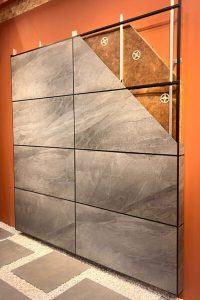
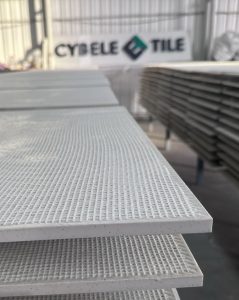
In facade applications where technical requirements are as prominent as aesthetics, the performance offered by porcelain ceramics plays a critical role. These surfaces, obtained through advanced production technologies, do not only provide visual integrity; they also create a strong layer that protects the building envelope against external factors.
The prominent technical features of porcelain ceramics in facade applications:
- Low water absorption rate,
- High mechanical strength,
- Resistance to UV and color fading,
- Resistance to chemical and environmental effects,
- Durability against heat and sudden temperature changes,
- Long-lasting use
Smart Solutions for a Sustainable Future
Porcelain technology used in facade systems not only meets today’s aesthetic needs but also adapts to the environmental standards of the future. Recyclable material structures and ventilated system details that contribute to energy efficiency aim to reduce the carbon footprint. These solutions, confidently preferred in the vertical architecture of modern cities, both preserve the value of the structure and create comfortable living spaces for users.

Add comment